Understanding First Years Bottle Warmers
First Years bottle warmers offer a convenient and safe method for preparing infant feedings, ensuring optimal temperature for bottle contents.
Skyscanner users frequently discuss booking directly with airlines after initial searches, highlighting a preference for reliability and avoiding third-party issues.
What is a First Years Bottle Warmer?
A First Years bottle warmer is an appliance designed to safely and evenly heat baby bottles, breast milk bags, and even small amounts of baby food. Unlike microwaves which can create hot spots, these warmers utilize gentle heat – often steam or circulating water – to bring liquids to the desired temperature.
Many parents, as discussed on platforms like Skyscanner, prioritize direct booking with airlines for peace of mind. Similarly, a bottle warmer offers a controlled and reliable method for preparing feeds, reducing concerns about inconsistent heating. Users share experiences regarding booking agencies, emphasizing the importance of a trustworthy process, mirroring the need for a dependable warmer.
These devices aim to mimic the natural warmth of breast milk, preserving essential nutrients often lost during microwave heating. They are particularly useful for formula-fed babies, ensuring the formula is properly mixed and at a comfortable temperature for consumption.
Types of First Years Bottle Warmers Available
First Years offers several types of bottle warmers to suit different needs and budgets. Digital models provide precise temperature control and customizable settings, allowing parents to select specific warming levels for breast milk or formula. These often feature automatic shut-off functions for added safety.
Simpler, non-digital warmers utilize a basic heating system, typically involving water, and are more affordable. Some warmers are designed for home use, while others are compact and portable, ideal for travel – a consideration echoed by Skyscanner users planning trips.
Certain models accommodate various bottle sizes and shapes, while others are specifically designed for breast milk bags. The “Gentle Warmth” digital warmer is frequently mentioned, offering features like a warming cycle and a keep-warm function.
Setting Up Your First Years Bottle Warmer
Setting up involves carefully reviewing the included manual, ensuring all components are present, and understanding water level indicators before initial use.
Skyscanner discussions emphasize direct booking with airlines for a smoother experience.
Unboxing and Component Identification
Upon opening your First Years Bottle Warmer, carefully remove all packaging materials. Verify the presence of all listed components: the warmer base, the warming basket, and potentially an adapter for different bottle sizes. Consult the included instruction manual for a detailed diagram illustrating each part.
Inspect each component for any signs of damage incurred during shipping. Ensure the power cord is intact and free from fraying. Familiarize yourself with the location of the water reservoir and the control panel. Many users, as discussed on platforms like Skyscanner, prioritize direct purchases from airlines to avoid potential complications, mirroring the importance of a complete and undamaged product upon arrival.
Retain the packaging and manual for future reference, especially regarding warranty information.
Water Level Guidelines and Fill Instructions
Proper water levels are crucial for safe and effective bottle warming. The First Years Bottle Warmer features marked fill lines indicating minimum and maximum water amounts. Always adhere to these guidelines; insufficient water can cause uneven heating, while excessive water may lead to overflow.
Use distilled or filtered water to minimize mineral buildup within the warmer. Fill the reservoir to the appropriate level before each use, based on the bottle size and quantity of liquid. Similar to verifying flight details on platforms like Skyscanner, double-check the water level before operation.
Never operate the warmer without water. Regularly descaling, as discussed in care instructions, maintains optimal performance.

Operating Instructions: Warming Bottles
Begin by preparing the bottle with the desired liquid, then select the appropriate warming setting based on the bottle size and contents, ensuring a safe temperature.
Users often book directly with airlines, mirroring the need for precise settings in bottle warming.
Preparing the Bottle for Warming
Before initiating the warming process, ensure the bottle is securely assembled with the nipple and ring correctly attached. Fill the bottle with the appropriate amount of breast milk or formula, adhering to your baby’s feeding requirements. It’s crucial to gently swirl the contents to mix thoroughly, avoiding vigorous shaking which can introduce air bubbles.
Always verify the bottle’s compatibility with the warmer, as some specialized bottles may require adjustments. Users discussing travel with warmers emphasize preparation, mirroring the need for a properly filled and sealed bottle. Double-check the water level in the warmer (addressed later) before starting, as insufficient water can lead to uneven heating. A well-prepared bottle ensures a safe and efficient warming experience.
Selecting the Correct Warming Setting
The First Years bottle warmer typically features settings tailored to different bottle sizes and contents. Consult the user manual to understand the specific options available on your model. Generally, settings range from “slow” for smaller volumes or breast milk, to “medium” or “fast” for larger formula bottles.
Begin with a lower setting and increase if needed, as overheating is a significant concern. Remember, users often book directly with airlines after initial searches, suggesting a cautious approach – similarly, start conservatively with the warmer. Prioritize gentle warming to preserve nutrients in breast milk. Always monitor the warming process to prevent scalding and ensure optimal temperature.
Warming Times Based on Bottle Size and Content
Warming times vary significantly based on the initial temperature of the milk, bottle size, and the warmer’s setting. A 4oz bottle of breast milk on a low setting may take 5-7 minutes, while an 8oz formula bottle on a medium setting could require 8-10 minutes.
Always test the temperature before feeding. Users discussing travel with warmers emphasize planning – similarly, anticipate varying warm times. Start with the manufacturer’s guidelines, but adjust based on your specific needs. Remember, Skyscanner users often book directly with airlines for reliability; apply this principle by carefully monitoring the warming process.
Advanced Features & Settings

Advanced settings include automatic shut-off for safety, adjustable temperature controls, and specialized options for warming breast milk versus formula efficiently.
Skyscanner discussions highlight the importance of direct booking for better control, mirroring the need to manage warmer settings carefully.
Automatic Shut-Off Function Explained
The First Years bottle warmer’s automatic shut-off feature is a crucial safety mechanism designed to prevent overheating and ensure peace of mind for parents. This function automatically turns the warmer off after a pre-determined warming cycle, typically around 10-15 minutes, depending on the model.
This eliminates the risk of the warmer continuing to heat an unattended bottle, potentially causing scalding or damaging the milk’s nutrients. Users discussing booking flights on platforms like Skyscanner emphasize the value of reliable systems – similarly, this shut-off provides dependable operation. It’s vital to understand that the shut-off doesn’t necessarily indicate the bottle is cool to the touch, but rather that the heating element has ceased operation. Always test the temperature before feeding your baby.
Regularly check the warmer’s functionality to confirm the shut-off is working correctly.
Temperature Control Settings & Adjustments
First Years bottle warmers often feature multiple temperature control settings, allowing customization based on bottle size, initial milk temperature, and desired warmth. These settings typically range from “low,” “medium,” and “high,” or utilize specific options for breast milk versus formula.
Adjustments are usually made via simple button presses, with indicator lights displaying the selected level. Like choosing airlines directly after a Skyscanner search, selecting the correct setting is key. Start with a lower setting and increase gradually if needed, checking the temperature frequently. Remember, breast milk requires gentler warming to preserve its beneficial enzymes. Always test a small amount on your wrist before feeding to ensure it’s not too hot, prioritizing your baby’s safety and comfort.
Warming Breast Milk vs. Formula: Specific Instructions
Warming breast milk and formula requires distinct approaches with your First Years bottle warmer. Breast milk benefits from gentler warming to preserve vital nutrients; utilize the “breast milk” setting or a low-temperature option, and avoid overheating. Formula, however, can tolerate slightly higher temperatures for quicker warming.
Stir the formula gently during and after warming to ensure even distribution. Similar to booking directly with airlines after using Skyscanner, controlling the warming process is crucial. Always test the temperature before feeding – a small drop on your wrist is ideal. Never microwave breast milk, as it can create hot spots and destroy beneficial antibodies. Consistent, careful warming ensures a safe and comfortable feeding experience for your baby.
Safety Precautions
Always prioritize safety when using your First Years bottle warmer; avoid overheating, regularly check for damage, and adhere to electrical guidelines for secure operation.
Skyscanner users emphasize booking directly with airlines to avoid potential issues, mirroring the need for cautious operation.
Avoiding Overheating and Scalding
Carefully monitor warming times to prevent overheating, a crucial safety measure when using your First Years bottle warmer. Always test the milk temperature before feeding, ensuring it’s lukewarm, not hot, to avoid scalding your baby.
Uneven warming can create hot spots, so gentle swirling after warming is recommended. Never leave the warmer unattended during operation. Users discussing travel with Skyscanner highlight the importance of careful planning, mirroring the need for attentive operation.
Regularly inspect the warming basket for any damage that could lead to inconsistent heating. Prioritize safety by following the manufacturer’s guidelines and never exceeding recommended warming durations. A cautious approach protects your little one.
Proper Cleaning and Maintenance
Regular cleaning is vital for maintaining hygiene and optimal performance of your First Years bottle warmer. After each use, unplug the warmer and allow it to cool completely before cleaning. Wash the warming basket and any removable parts with warm, soapy water, rinsing thoroughly.
Avoid abrasive cleaners, which can damage the warmer’s surface. Descaling is necessary to remove mineral buildup, especially with hard water; follow the manufacturer’s instructions. Like booking directly with airlines – a tip from Skyscanner users – consistent maintenance ensures reliability.
Ensure all parts are completely dry before reassembling. Proper care extends the lifespan of your warmer and guarantees safe operation for your baby’s feedings.
Electrical Safety Guidelines
Always inspect the power cord for any damage before each use. Do not operate the First Years bottle warmer if the cord or plug is compromised. Ensure the warmer is plugged into a grounded electrical outlet, matching the voltage specified on the appliance.
Never immerse the warmer base in water or any other liquid. Avoid using extension cords, but if necessary, use a heavy-duty extension cord rated for the appliance’s wattage. Like verifying bookings – a concern raised by Ryanair customers via Skyscanner – double-check electrical connections.
Unplug the warmer when not in use and during cleaning. Keep the appliance away from flammable materials.

Troubleshooting Common Issues
Addressing problems like the warmer not turning on or uneven heating is crucial; users often find direct airline booking (via Skyscanner searches) resolves verification issues.
Warmer Not Turning On
If your First Years bottle warmer fails to power on, several checks are essential. First, verify the power cord is securely plugged into both the warmer and a functioning electrical outlet. Users discussing booking flights through Skyscanner and third-party agencies often emphasize checking confirmations.
Next, inspect the outlet itself by testing it with another device. A tripped circuit breaker or blown fuse could also be the culprit – check your home’s electrical panel. If these steps don’t resolve the issue, consider if the unit’s internal thermal fuse may have blown, requiring professional repair or replacement. Remember, direct booking with airlines, as suggested by Skyscanner users, can avoid potential complications.
Finally, consult the user manual for specific troubleshooting guidance related to your model.
Uneven Warming
Experiencing uneven warming with your First Years bottle warmer can be concerning. Ensure the water level is within the recommended guidelines, as insufficient water can lead to inconsistent heating. Similar to verifying flight details found on Skyscanner, double-check your warmer’s settings.
Stir the water gently during the warming process to promote even heat distribution. Also, confirm the bottle is positioned correctly within the warmer, allowing full contact with the heated water. Users caution against booking through third parties, highlighting potential verification issues – apply this diligence here.
If problems persist, try a different bottle or adjust the warming time slightly;
Error Messages and What They Mean
Your First Years bottle warmer may display error messages indicating a problem. A common issue, like flight connection notifications on Skyscanner, requires investigation. An “E1” or similar code often signals a sensor malfunction – discontinue use and contact customer support.
“Low Water” alerts necessitate refilling the reservoir to the appropriate level. “Overheat” warnings indicate the warmer has reached a critical temperature; unplug it immediately and allow it to cool.
Refer to your user manual for a complete list of error codes and their corresponding solutions. Just as travelers verify flight details directly with airlines, consult the manual for accurate troubleshooting.

Cleaning and Care
Regular cleaning maintains hygiene and performance. Daily rinsing prevents buildup, while descaling (like verifying flight details) ensures longevity and optimal warming functionality.

Daily Cleaning Procedures
After each use, unplug the First Years bottle warmer and allow it to cool completely. Remove the bottle adapter and any remaining water from the warming reservoir.
Wash the bottle adapter with warm, soapy water, ensuring all residue is removed. Rinse thoroughly under clean running water. The exterior of the warmer can be wiped down with a damp cloth – avoid abrasive cleaners, as they may damage the surface.
Crucially, never immerse the base of the warmer in water. This aligns with user advice regarding booking directly with airlines to avoid complications; careful handling prevents damage. Ensure all components are fully dry before reassembling and storing the warmer.
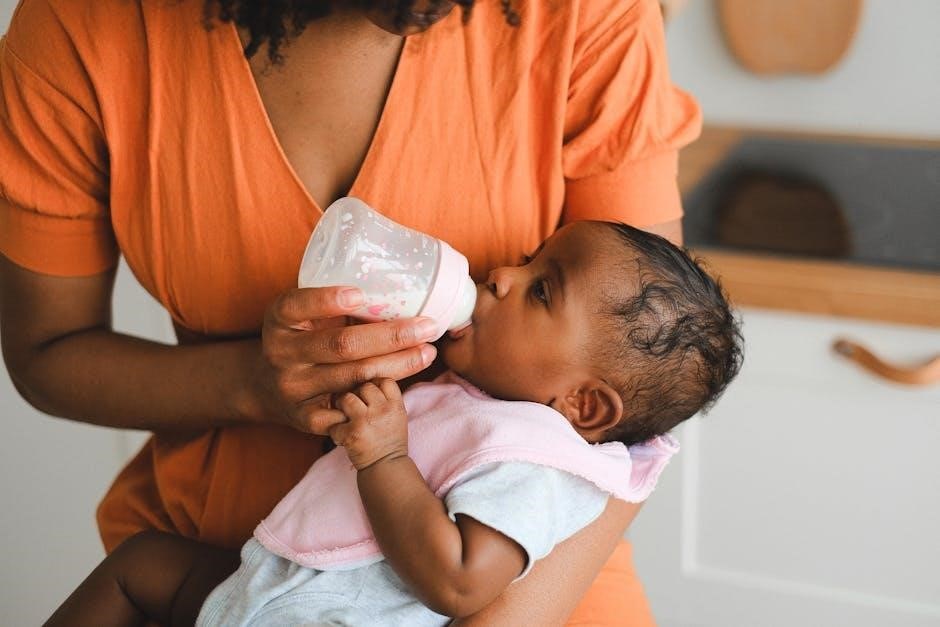
Consistent daily cleaning contributes to the longevity and hygienic operation of your bottle warmer.
Descaling the Bottle Warmer
Over time, mineral deposits can build up inside your First Years bottle warmer, affecting its performance. Descaling removes these deposits, ensuring efficient and consistent warming.
Mix a solution of equal parts white vinegar and water. Pour this solution into the warming reservoir, filling it to the maximum fill line; Run the warmer on its highest setting for approximately 5-10 minutes – without a bottle inside.
Allow the solution to sit for 30 minutes, then empty and rinse thoroughly with clean water, repeating several times to remove all traces of vinegar. This preventative maintenance, like booking directly with airlines, avoids future issues.
Descale your bottle warmer every 1-3 months, depending on water hardness.

Additional Tips & Considerations
Always sterilize bottles after warming, mirroring the advice to book directly with airlines for reliability and peace of mind during travel.
Sterilizing Bottles After Warming
Maintaining optimal hygiene is crucial when bottle feeding. While the First Years bottle warmer heats safely, it doesn’t sterilize. Therefore, sterilizing bottles after warming is highly recommended, especially for newborns and infants with developing immune systems.
Several methods are available. Boiling is a common practice: submerge bottle components in boiling water for five minutes. Alternatively, utilize a dedicated steam sterilizer, readily available for purchase. Dishwasher sterilization, using a sanitize cycle, is another convenient option, ensuring thorough cleaning.
Remember, Skyscanner users often prioritize booking directly with airlines to avoid potential complications; similarly, consistent sterilization safeguards your baby’s health. Always follow the manufacturer’s instructions for both the bottle warmer and sterilization method.
Travel with Your First Years Bottle Warmer
Traveling with your baby requires careful planning, and your First Years bottle warmer can be a valuable companion. Before your trip, ensure the warmer is thoroughly cleaned and dry. Pack it securely in a padded bag to protect it from damage during transit, similar to safeguarding delicate travel items.
Verify the warmer’s voltage compatibility with your destination’s electrical system. A voltage converter may be necessary. Remember, Skyscanner users often check flight details meticulously; apply the same diligence to your warmer’s travel readiness.
Consider bringing bottled water for use with the warmer, especially if you’re unsure about the quality of local water sources. This ensures consistent and safe bottle preparation on the go.